Since recognising the climate emergency in 2022, Wellington Town Council has taken steps to ensure that it is setting a prime example for the public on sustainability and facilitating our town’s residents to improve their own carbon footprints. Our work to improve the environment in Wellington is ongoing and ever-changing. The list below is not exhaustive and covers our more major projects over the past few years.

What has the Town Council Done So Far?
Widespread Tree Planting
Wellington Town Council has been passionate about expanding the tree cover in Wellington for years and between 2022 and 2025 has enabled the planting of over 4000 trees. This has been done via free fruit tree schemes, “tiny forest” community planting days in open spaces, and expanding the woodland in the Green Corridor.
Our free fruit tree schemes in 2023 and 2024 gave residents of Wellington the opportunity to apply to receive a free fruit tree. In 2023 we gave away over 300 dwarf apple trees to local residents, schools, and nursing homes. In 2024 we tightened up our application process, but still gave away over 50 plum, gage, and apple trees to good homes.
Tiny Forests are small areas of densely packed trees, bringing the benefits of woodlands into more urban areas and creating a haven for wildlife. We have planted on several sites around town including Burrough Way, Howard Road, Priory, and Oakfield Park. The planting of these forests was led by our Climate Change Project Officer and Open Spaces Manager, with residents in the area surrounding the tiny forest to join in on the planting. Tiny forests were also planted in local schools, with children helping plant.
The Green Corridor Woodland Creation Scheme is probably the most ambitious project that we have undertaken so far. Working alongside The Woodland Trust, over 3000 trees have been planted throughout the area of land known as the Green Corridor. The planting plan was devised by The Woodland Trust and links and expands existing tree cover to enhance the area for wildlife. As well as this, walking routes have been integrated and sightlines to landmarks such as Wellington Monument have been preserved.
Trees play an important role in the environment, producing oxygen and absorbing and storing carbon. As well as this, the shade they create can help keep built-up areas cool and flooding can be minimised through trees absorbing water through their roots. Greater tree cover creates corridors and islands for wildlife to move through and use, increasing the number and biodiversity within our town.
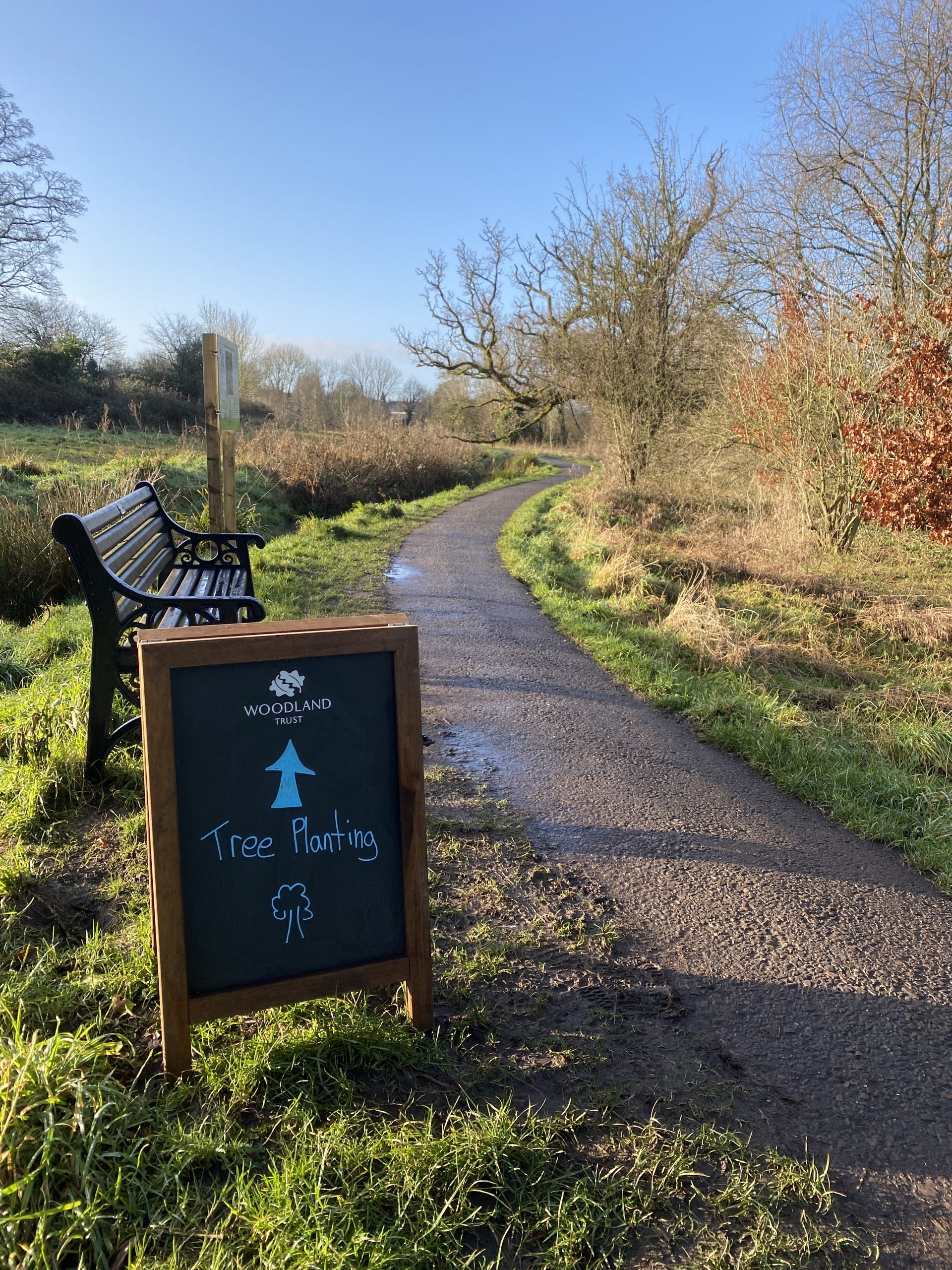
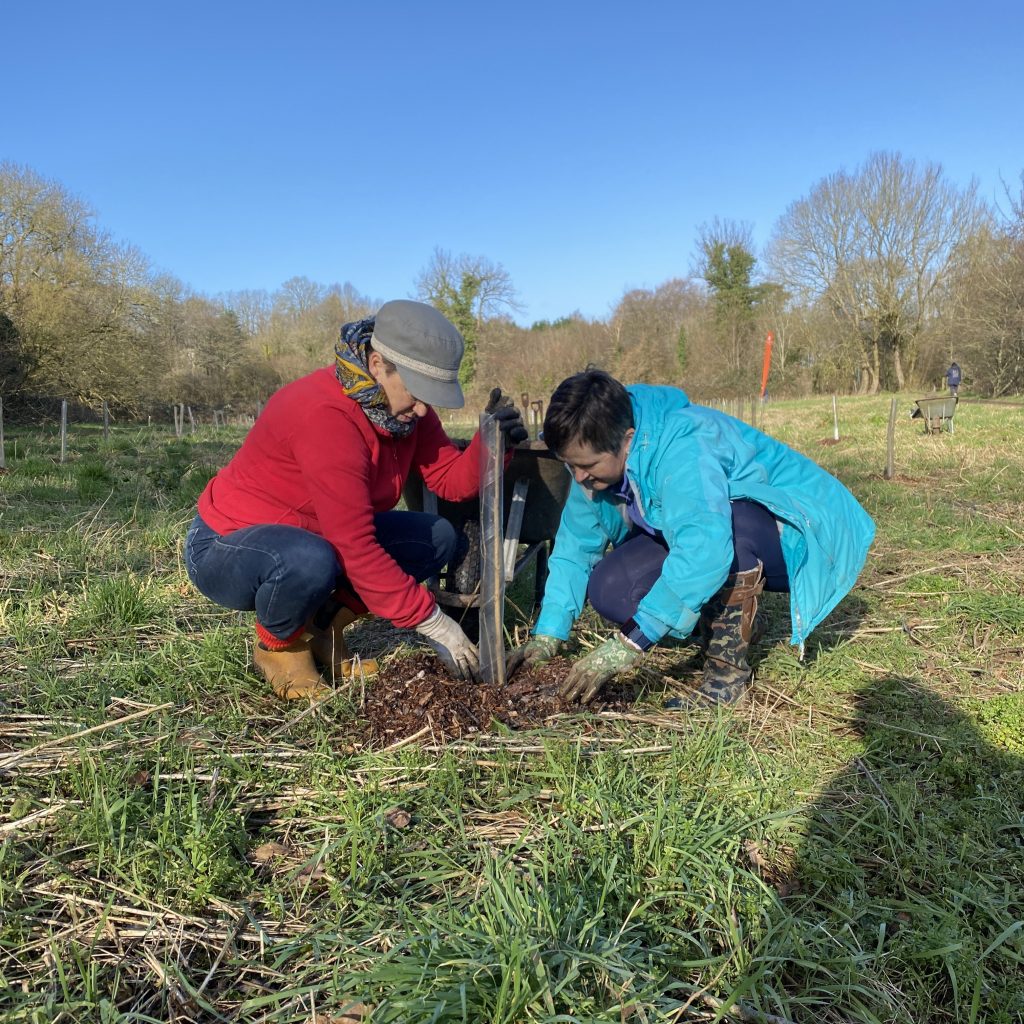
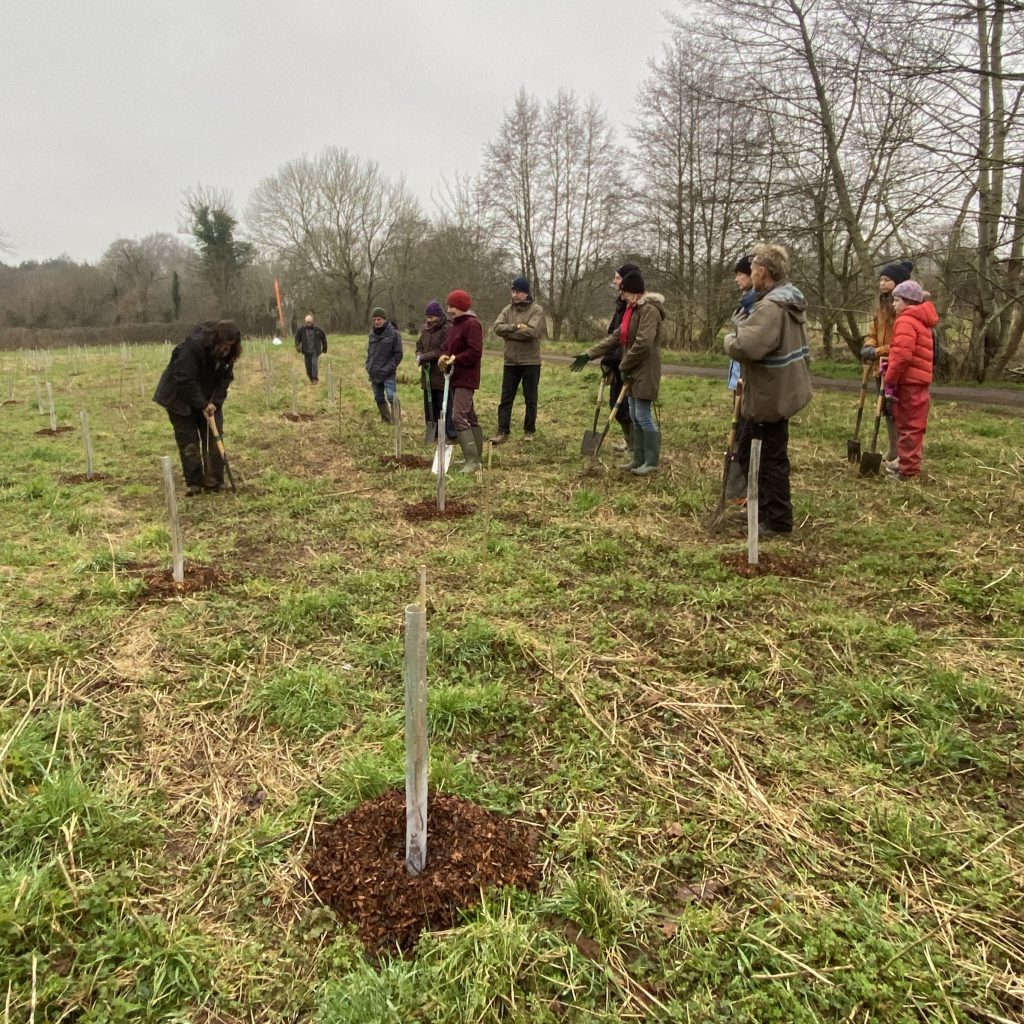
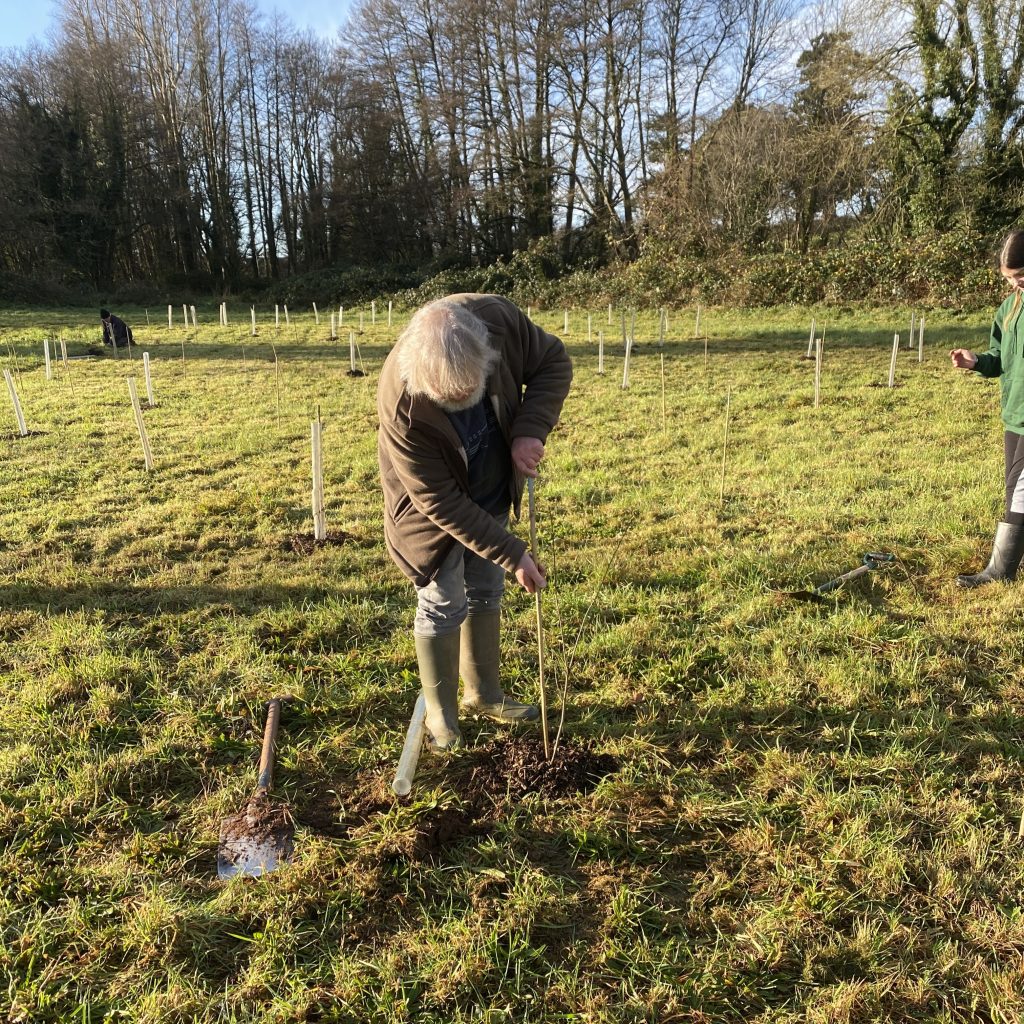
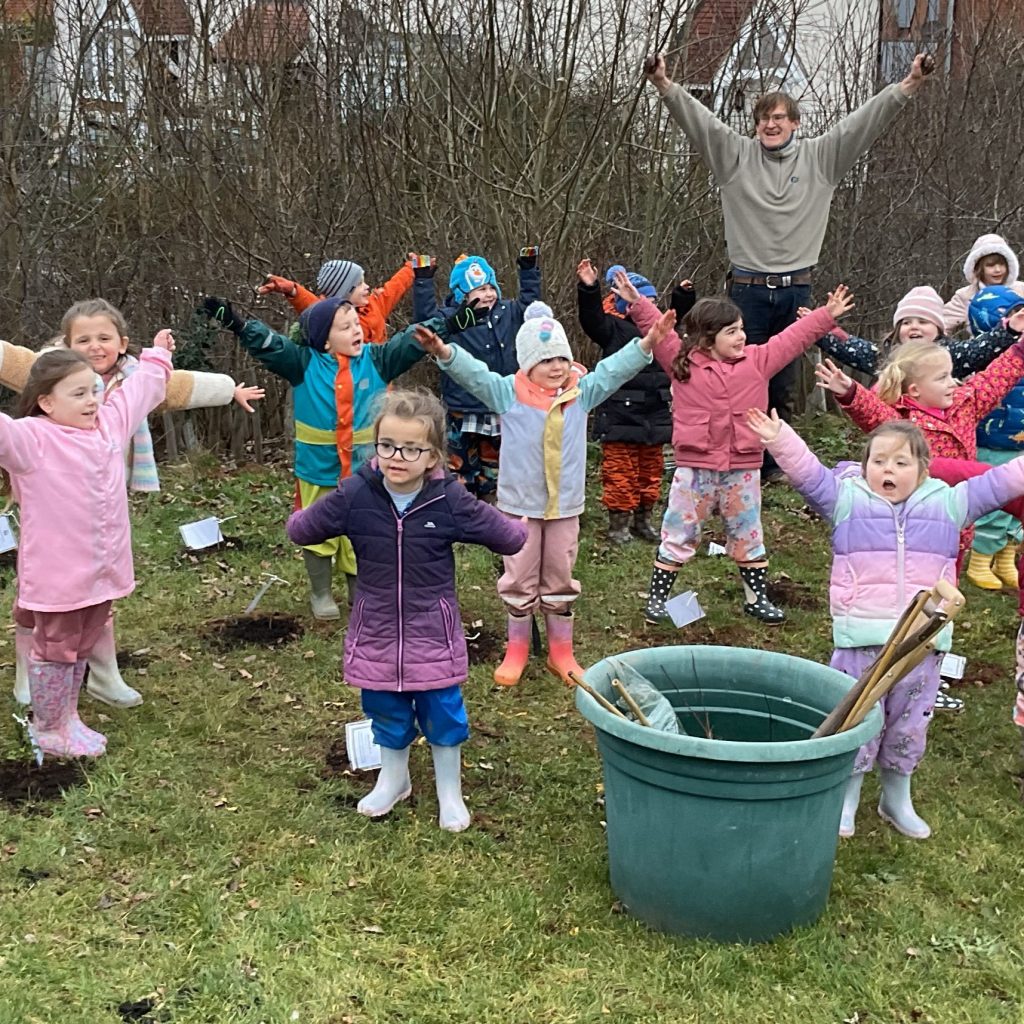
To solidify our commitment to planting trees, the Council adopted a three-year Tree Planting Strategy that began in 2025. This strategy sets out three stages of tree planting that we will undertake in the coming years. Stage one has already been completed and we are working with Somerset Council Highways, Bloor Homes, and Persimmon to agree sites for stage two.
Along with this, we have implemented “tree nurseries” throughout the town. This sees us use the planters in the town centre to grow saplings for a few years until they are more mature and sturdy, then transfer them to sites within the Green Corridor.
Space for Nature
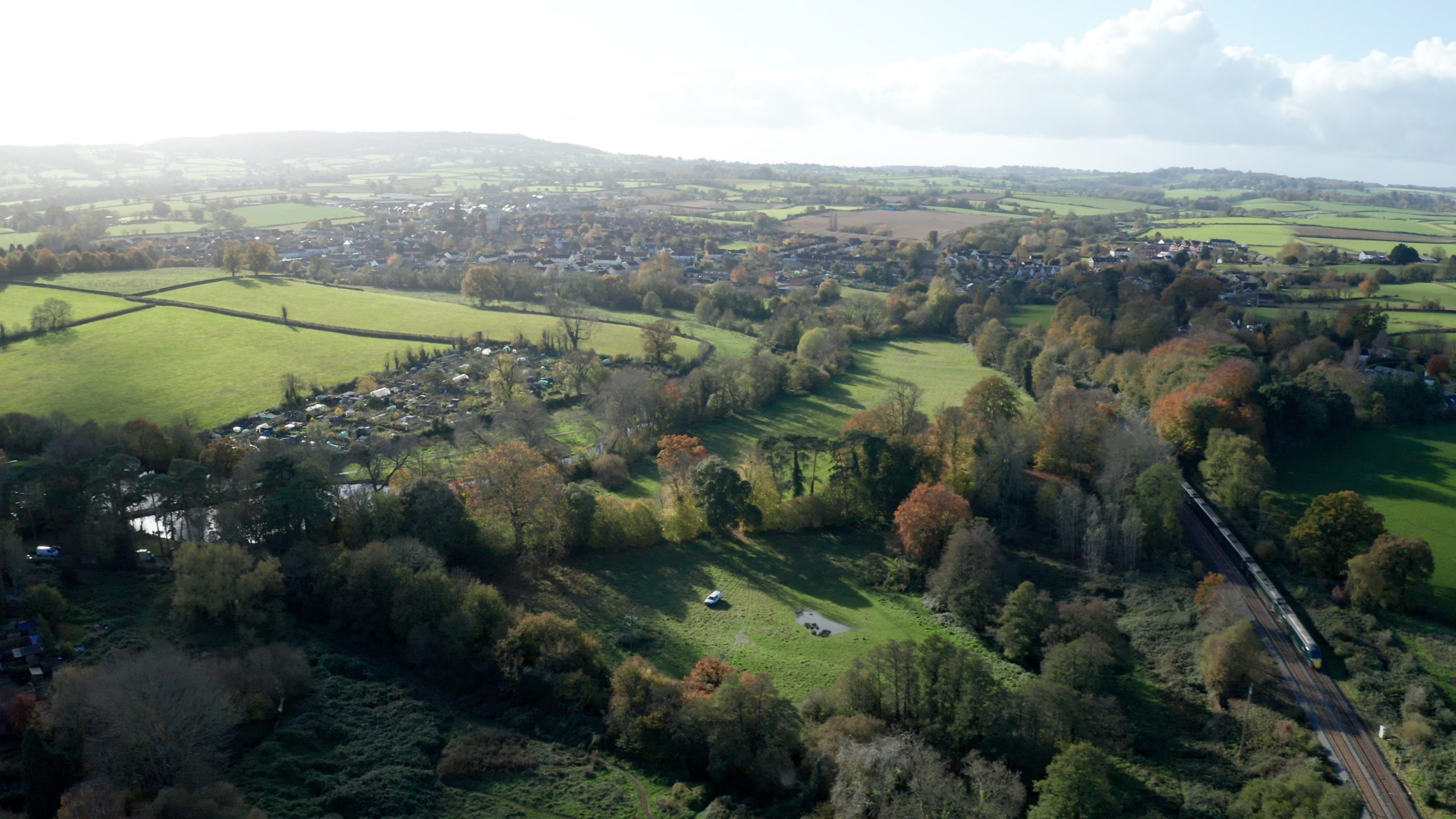
One of the biggest ongoing projects Wellington Town Council has is ensuring that space for nature is retained and created wherever possible. This got off to a flying start in 2023 when the Town Council signed a 150-year lease on the area of land known as the Green Corridor with Somerset West and Taunton (now Somerset) Council. The Town Council works with a number of stakeholders and interested parties to develop the 64 acres that makes up the Green Corridor into a multi-use area that allows for public recreation and enhances the natural environment.
Wellington Town Council is also working to re-wild small areas throughout the town to increase biodiversity and create habitats for invertebrates and pollinators to thrive.
Alternative Power
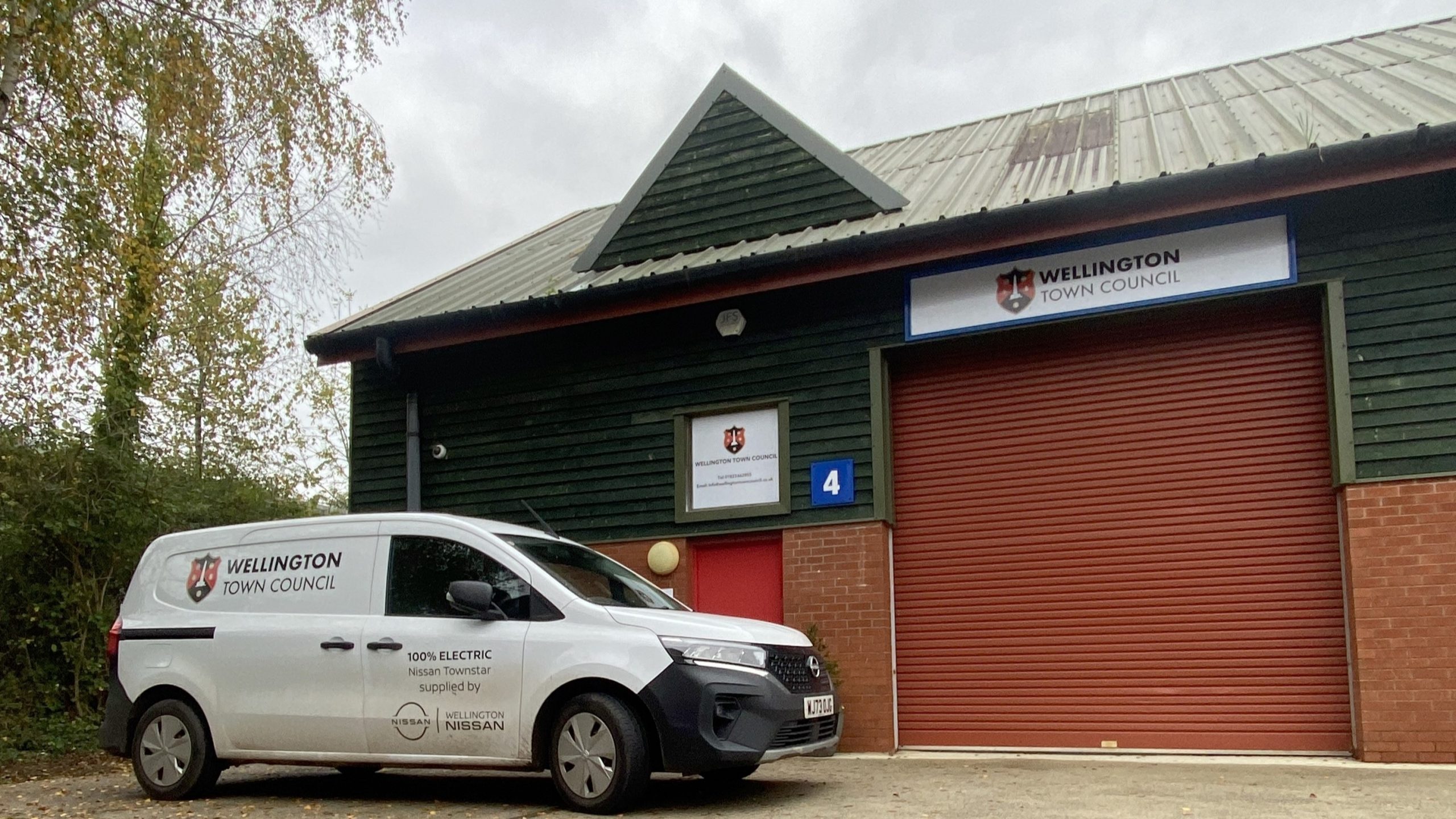
Wellington Town Council has three vehicles, one electric van, one second hand tipper truck, and another second hand van. The Council opted for an electric van for its first vehicle as a commitment to sustainability and because at the time of purchase a smaller vehicle was all that was needed. The second hand vans were purchased in mid-2024 and early 2025 to be “workhorse” vehicles that would be more suitable for larger jobs. This was chosen both for cost efficiency and to highlight the importance of utilising second hand items in terms of sustainability. As well as this, our Open Spaces Team uses a large amount of battery-powered equipment to futureproof its use and cut out the emissions given off by petrol powered motors.
Going Digital
At the end of 2022 our Councillors went paperless and agreed to receive their meeting agendas and documents on tablets instead of through the post. Prior to this change, the Council was estimated to have spent upwards of £3000 per year on printing and postage, compared to the one-time cost of £2,850 plus VAT for fifteen tablets. This one small change has made a big difference both to the Council’s efficiency and its sustainability.
Printing, as well as being expensive, has a big environmental impact. Demand for paper leads to deforestation, printing consumes large amounts of energy, and the chemicals used throughout the paper production and printing process can be harmful to the environment if they enter our waterways.

Local Cycling & Walking Infrastructure Plan
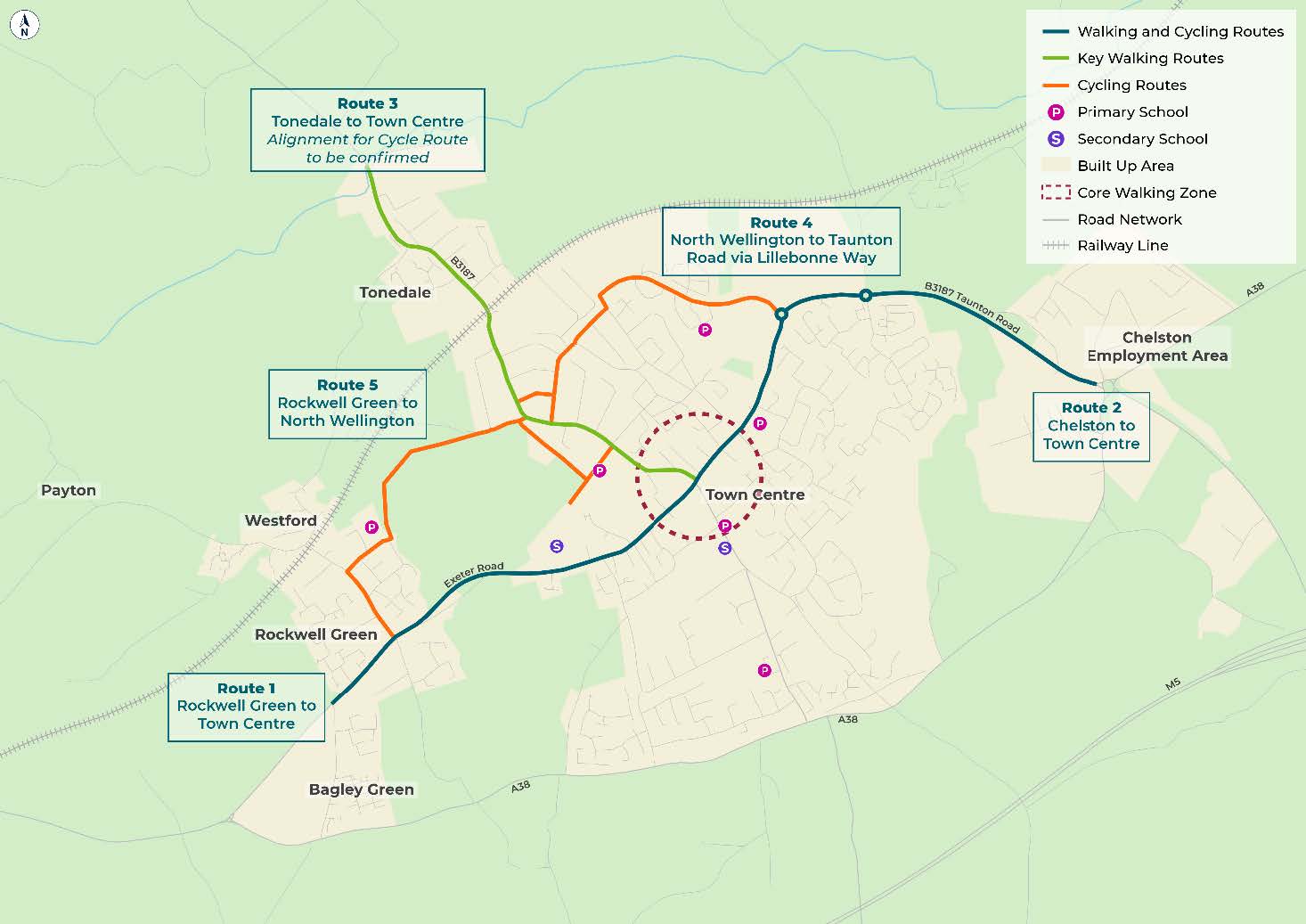
We have worked closely with Somerset Council and WSP to develop a Local Cycling & Walking Infrastructure Plan (LCWIP) for Wellington. This study included identifying the main walking and cycling routes within the town, including how people access school, work, and leisure facilities. The study was compiled into a report in 2024 and has since been the Council’s basis of information when active travel infrastructure is discussed. The full report can be seen here.