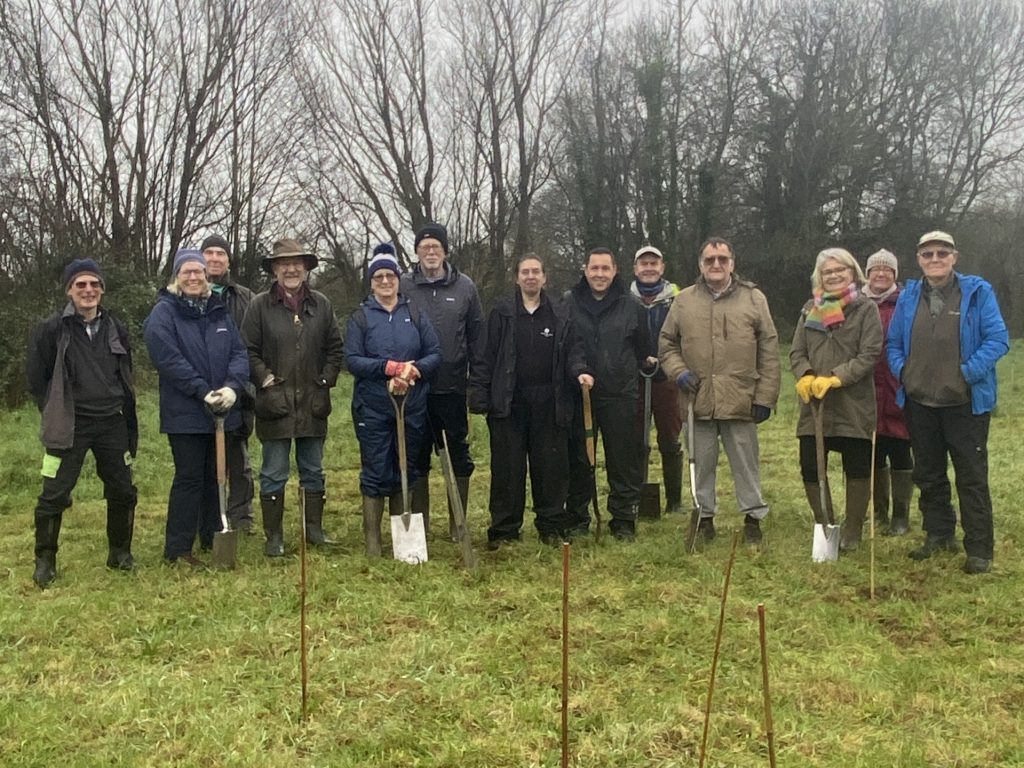
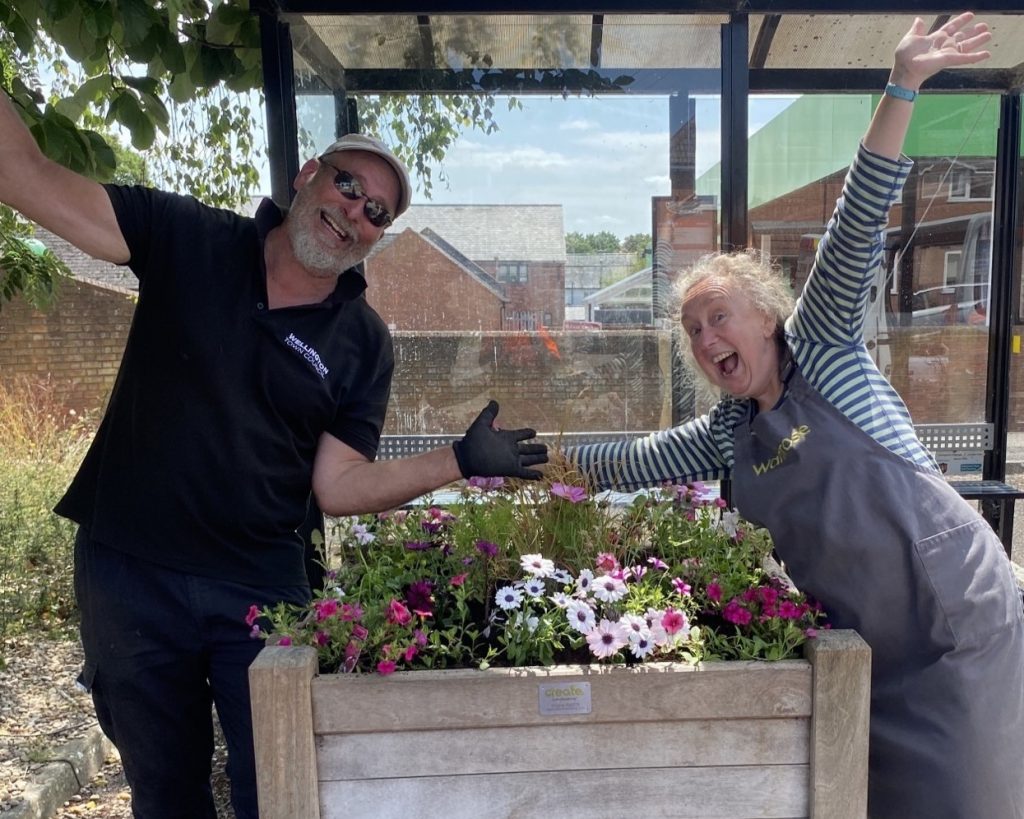
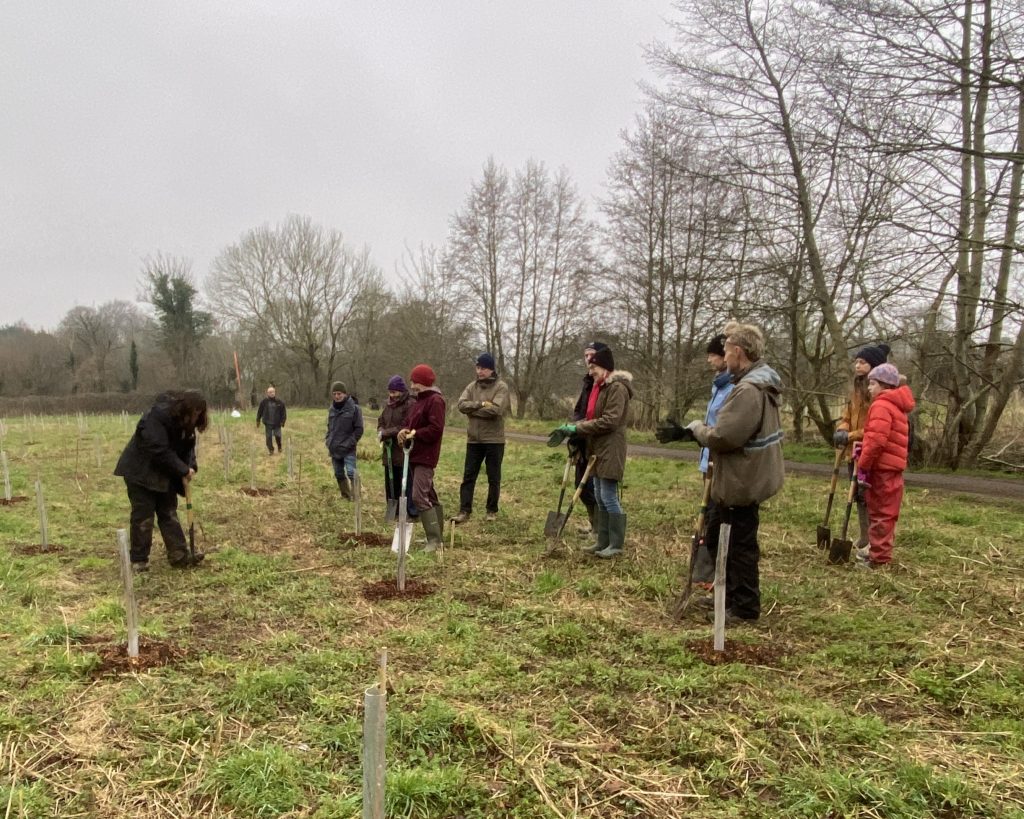
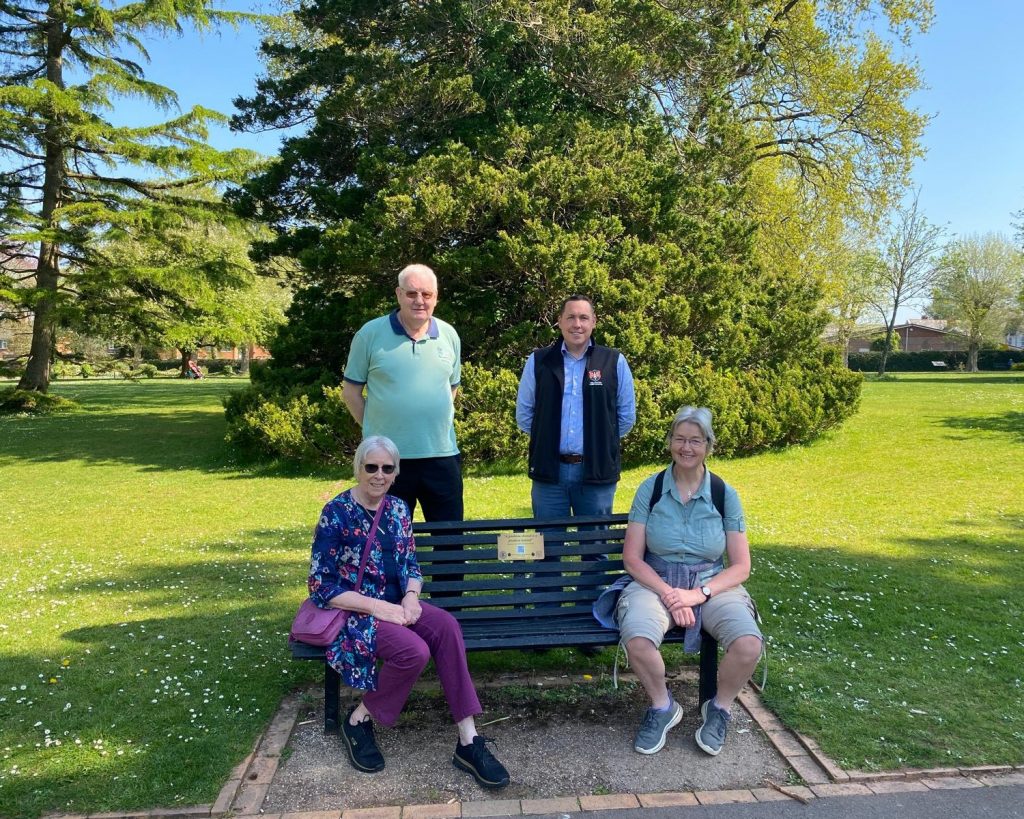
Wellington is home to many like-minded people when it comes to helping with our town’s ecology and increasing biodiversity both at home and in the wider area. You as an individual can do a lot but if you are really passionate about the environment and would like to get involved in bigger projects please consider joining a local group or joining us when we advertise for voluntary planting/maintenance in our open spaces.

Ecology
Ecology and Climate Change
The loss of biodiversity and rapidly rising global temperatures are implicitly linked as the Earth’s land and ocean ecology absorb more than half of all carbon emissions. Ecosystems such as forests, coral reefs, and wetlands absorb and sequester carbon that would otherwise go into the atmosphere and contribute to the greenhouse effect. Deforestation in fragile and diverse ecosystems such as the Amazon rainforest has greatly reduced the amount of carbon absorbed and has instead made room for intensive agriculture that produces large amounts of greenhouse gases. These greenhouse gases in turn raise the global temperatures, further disrupting ecosystems that do not have the time to adapt to a rapidly changing planet.
Change Starts at Home
Wellington is perfectly placed to be a hub of environmental action and has made great strides thanks to the work of dedicated individuals and community groups. Improving our local ecology can start within your own home and garden on as small or large a scale as you like.
Switch Out Products and Dispose Responsibly
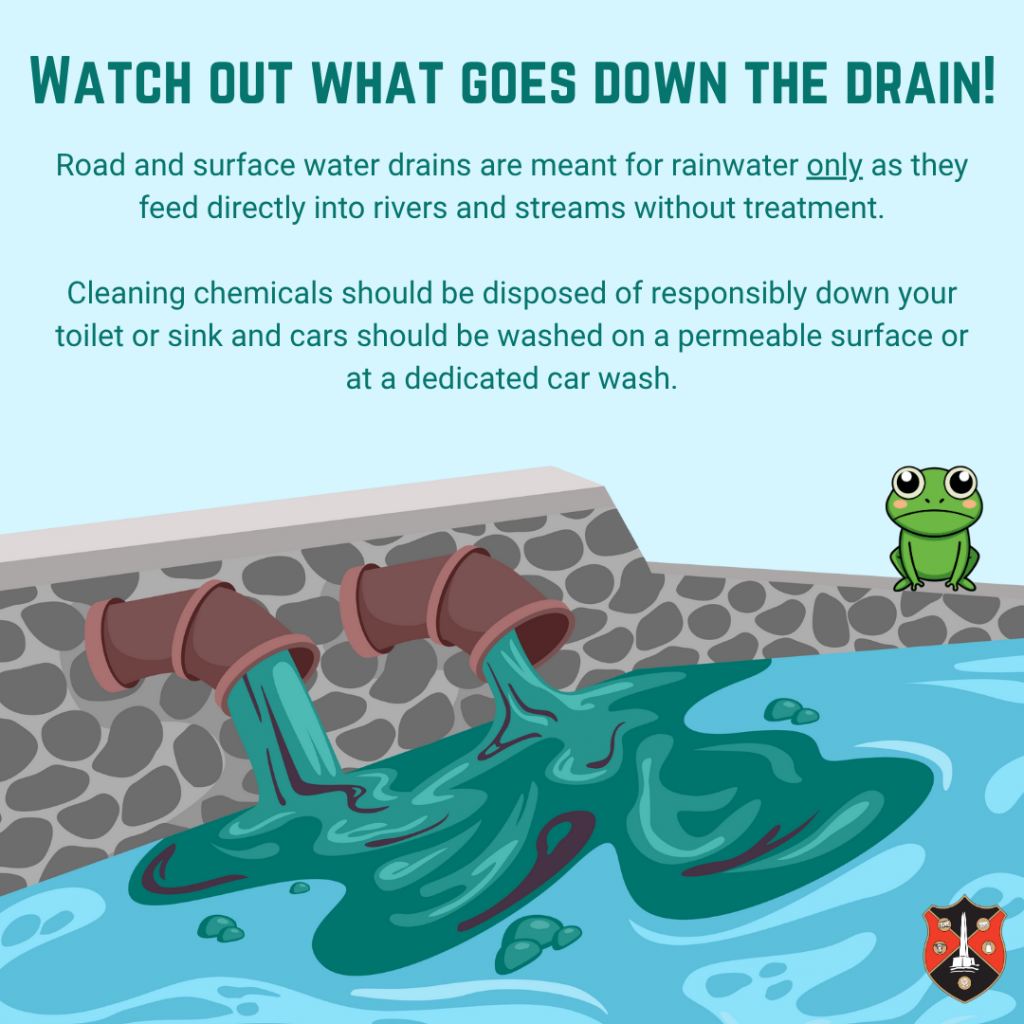
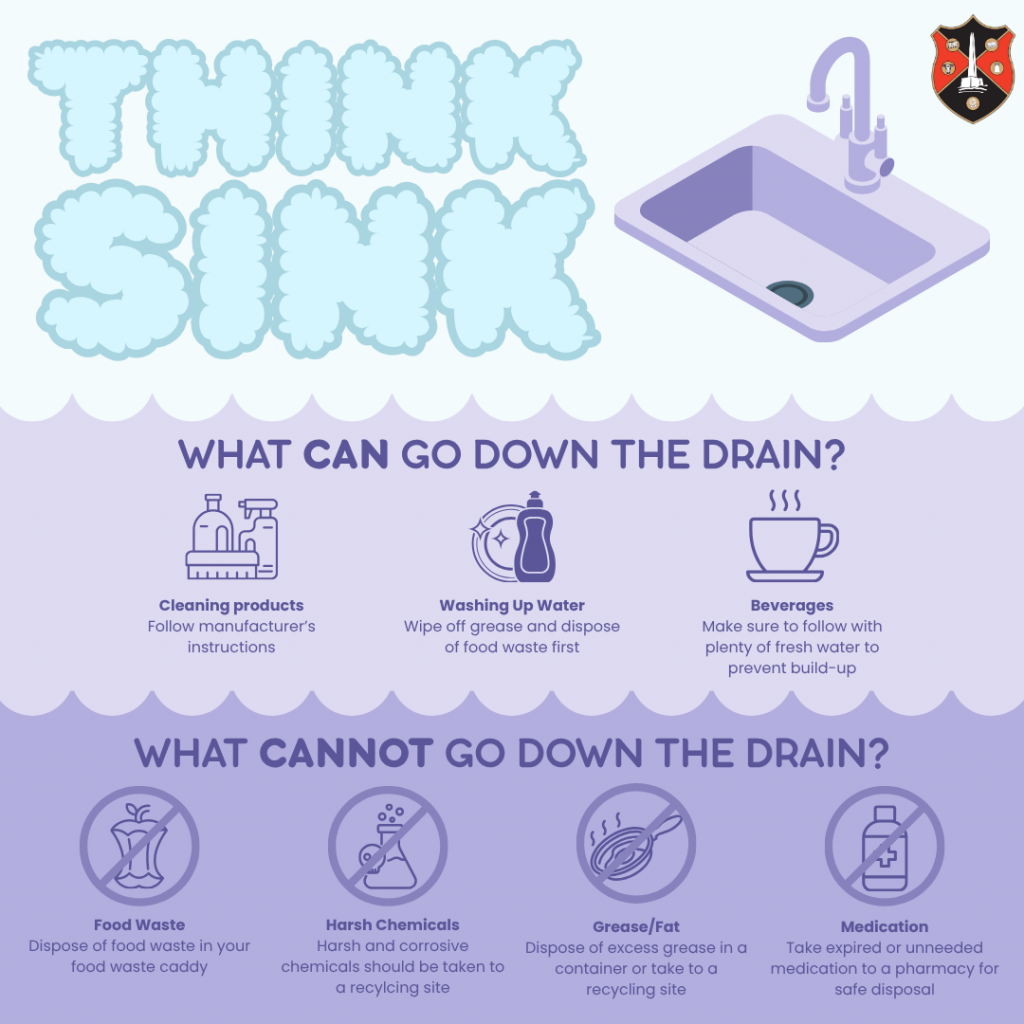
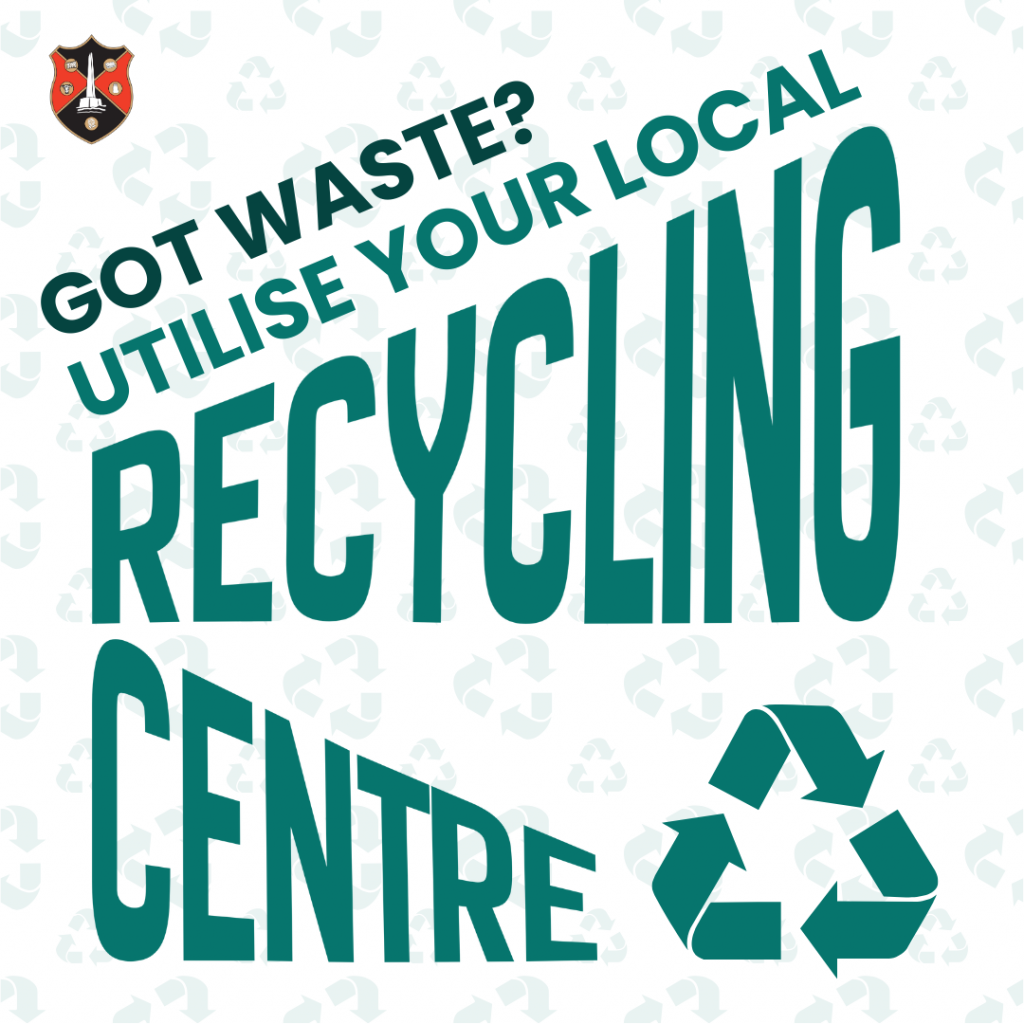
Starting on the road to change can be as simple as switching out your usual cleaning products for more eco-friendly versions as the chemicals used in these products can be very harmful to the environment. Remember that only rainwater should go into road drains as these often connect directly to rivers and streams. Other liquids, such as paint or oils should not be put down any drain as they can cause blockages and damage the sewer network. Most of these liquids are accepted at Wellington Recycling Centre, please check their webpage to confirm ahead of time or ask a member of staff on site if you are unsure.
Gardening for Wildlife
Gardening for wildlife doesn’t necessarily mean letting everything grow wild, you can still have a beautiful and well-maintained garden while keeping our local wildlife in mind. Here are a few things to consider when creating an outdoor space that benefits our local biodiversity:
Plant Native Species
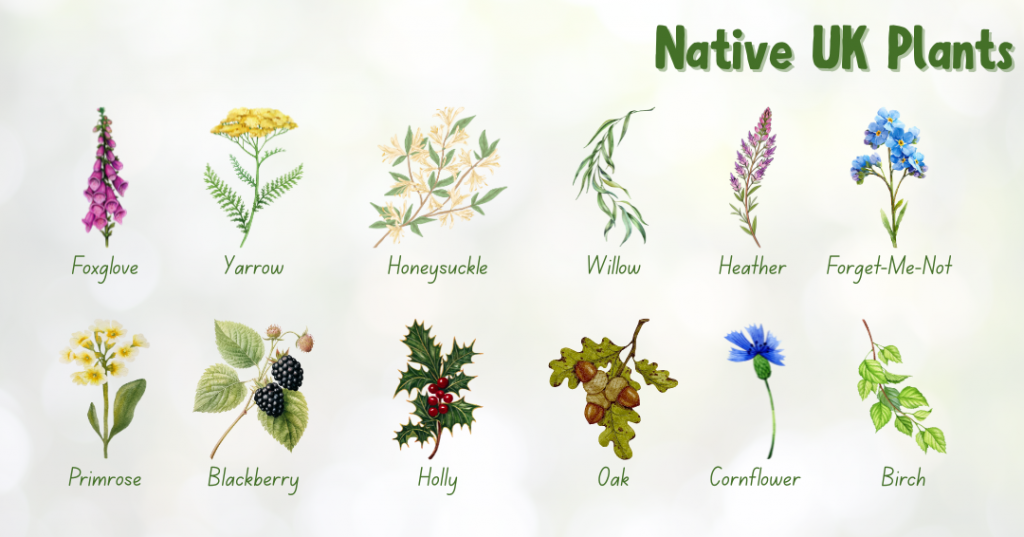
Including a variety of native plant species in your garden will help provide essential food and shelter for native birds, butterflies, and other wildlife. Native insects in the British Isles have been on a rapid decline since the 1970s. Butterflies have especially been hit hard with many species now threatened with extinction. If more people include native plants in their own back gardens, these at-risk species will have more safe havens throughout Wellington and their numbers could increase locally. As an added bonus, native plant species have evolved to thrive in the climate and soil conditions of the UK so they are usually hardier and less work to maintain.
Provide Varied Habitats
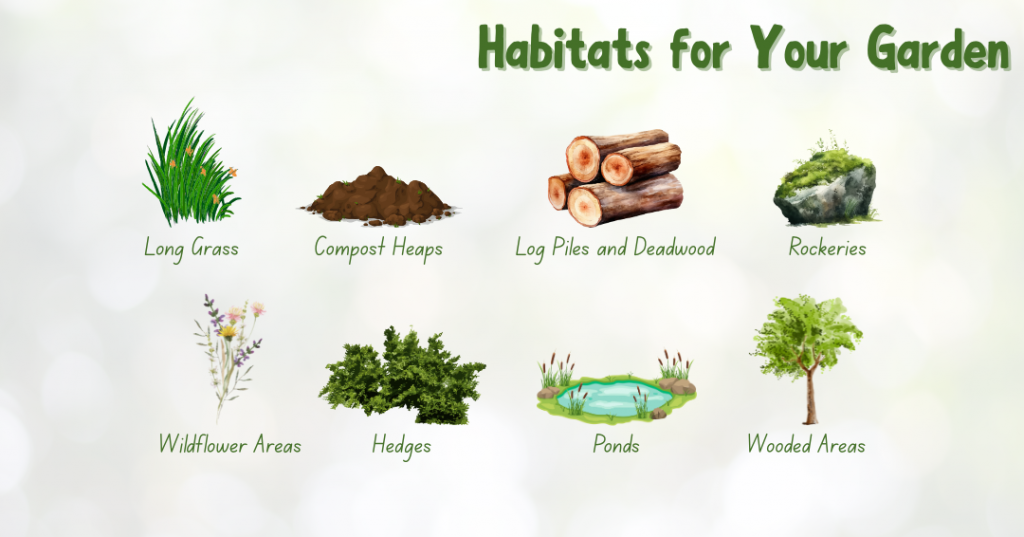
The wildlife that might visit your garden includes creatures of all shapes and sizes with different needs in terms of habitat. Try to incorporate trees and shrubs as well as flowers into your garden to provide shelter, nesting space, and shade in the summer. If you are able to, add a small pond with some aquatic plants. This will provide a place for small mammals to have a drink and will create a space for amphibians to live. Your garden will be the hottest wildlife hangout in town before you know it!
Build It and They Will Come
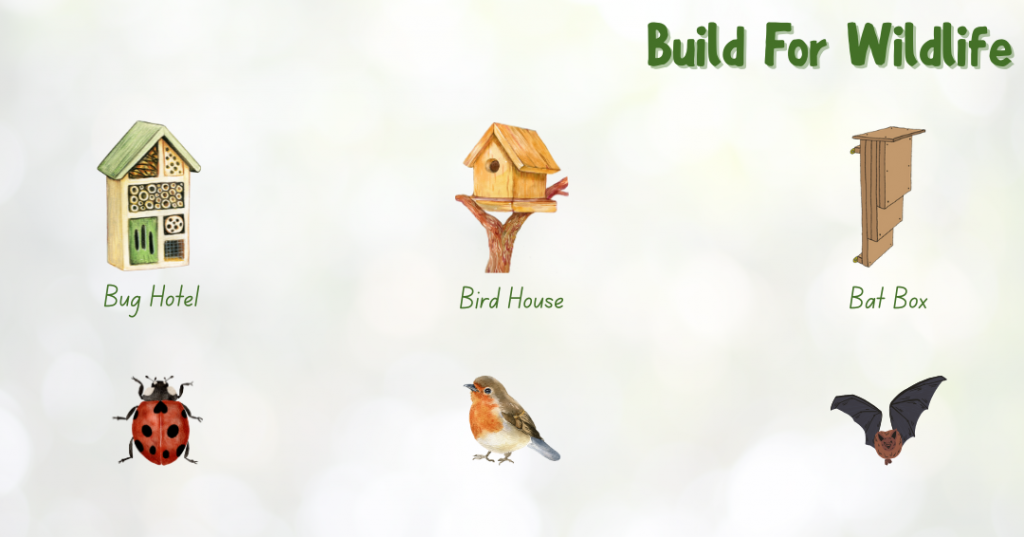
Creating space for wildlife can be a fun activity for the whole family. Building bug hotels, bird boxes, and bat boxes can be done as a solo or group project and is an excellent way to educate children in a hands-on way about different animals and the ways they live. You don’t need to be a master carpenter to build a good home for animals in your garden and you will probably have most of the materials you need in your garden already. You can find more information and inspiration for wildlife structures online, but we recommend you check out The Woodland Trust’s page on How to Build a Bug Hotel.
More tips and inspiration can be found here:
Record Local Wildlife
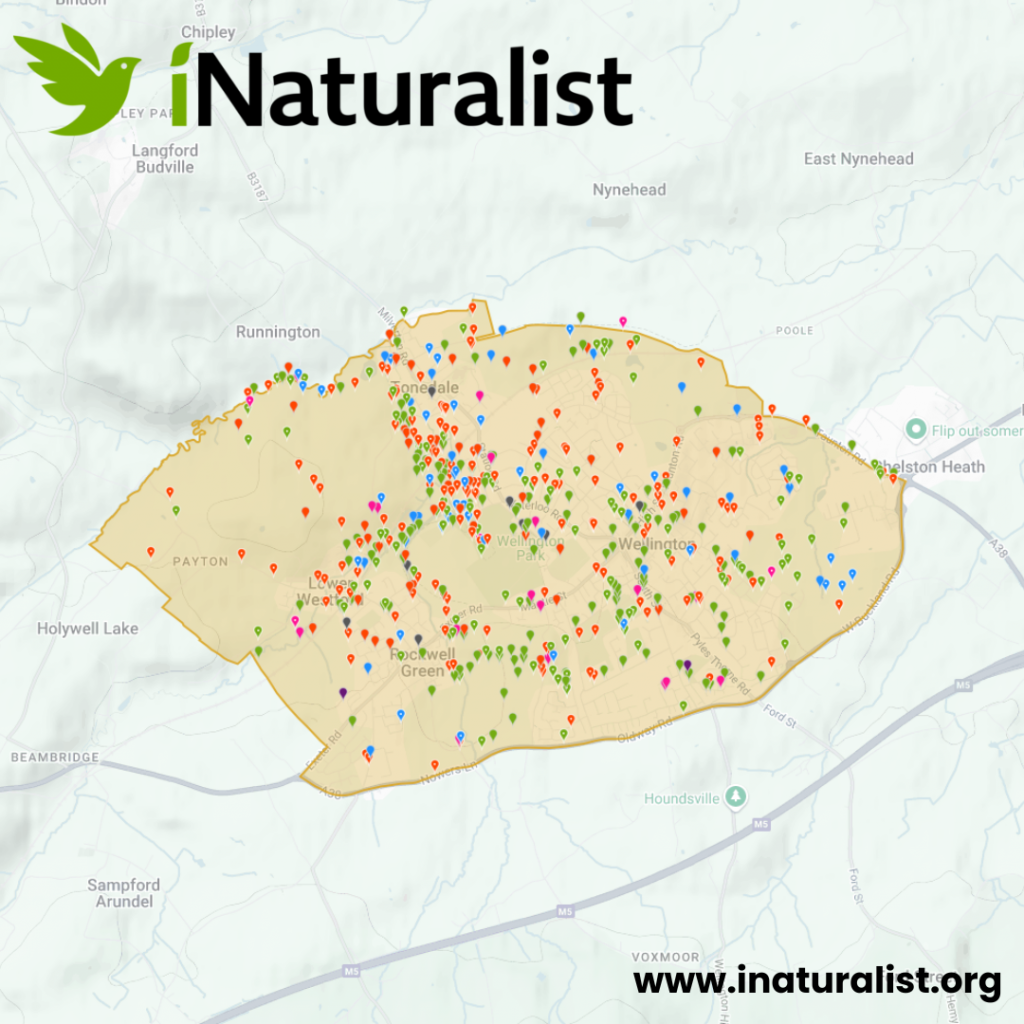
Whether at home in your garden or out and about, you can use iNaturalist to upload your sightings to a worldwide database.
Anyone can use the iNaturalist app when out and about – just download the free app (iOS and Android available), snap a photo, and upload. Alternatively, you can log your observations later at your desktop or on a tablet.
The app uses recognition software to help you identify what species it is you’ve recorded, then when you share it with others, including experts such as our local Somerset Environmental Records Centre. They can use the data for their research, meaning you can easily join in with important citizen surveys. The app is great at helping you learn and recognise species for yourself, as the process of looking it up helps the information to be remembered. If you can’t identify what you saw then other app users can help you make the identification, true citizen science!
Over 900 separate species have been identified in our boundaries since 2018, let’s get out and see how many more we can find!
Join The Community
Wellington and its surrounding areas have a thriving network of people and groups that are passionate about the environment and who work together on voluntary projects throughout the town. Groups such as Transition Town Wellington, Wellington Basins Volunteer Group, and Swains Nature Reserve Volunteers have a great community and regularly meet to work on improving our environment. Check them out online to see what they are up to near you!
Wellington Town Council are also working towards improving volunteer opportunities. Visit our volunteering webpage to learn more.