Travel

The way that we get from A to B has a huge effect on carbon emissions. On this page, find out more about active travel, public transport, and electric vehicles.


How Our Journeys Impact the Climate

Until the mid 19th century, humans had limited options for how they could traverse the land and sea. Limited to horses, carts, boats, and their own two feet. Many people never ventured much further than a few miles from their home. Then, with the advent of trains, automobiles, and planes the world got much bigger and was more accessible. We now struggle to think of a world without this amazing network of travel options. With the benefits that this has brought humanity, it has had dire consequences for our planet. Transportation is now the second-largest emitter of greenhouse gases, with road vehicles accounting for three-quarters of all emissions from transport. If we want to achieve climate targets then the way that we think about how we move around needs to change drastically.


Active Travel

Walking, wheeling, and cycling is the healthiest, cheapest, and most environmentally friendly way to travel. Ditch the car for short journeys and instead talk a walk or ride to your destination. Wellington is a very walkable town, with the furthest estates still being less than 1.5 miles from the town centre.


Five Reasons to Give Active Travel a Try
decorative image.

You will save money

Running a car is an expense from purchase, to insurance, tax, maintenance, and fuel costs it can cost an average of over £3000 per year to own and run a car. This number can of course change depending on a number of factors including fuel efficiency, the age of the vehicle, and the distance you drive. By walking, wheeling, or cycling where possible you will cut these costs dramatically.

decorative image.

It’s Quicker Than You Think

One argument for driving over active travel is that it can take too long to get anywhere. While this is true for long distances (it will take you about 2 hours to walk to Taunton!) you will find that on average it only takes about 20 minutes to walk a mile. If you factor in the time you can spend waiting at traffic lights and in slow-moving congested traffic it cam even be quicker to walk short distances than to drive!

decorative image.

The Social Aspect

Walking is a great group activity, whether it’s a group journey to a lovely pub lunch or a hike up on the Blackdowns… to be followed by a pub lunch! Walking and chatting gives the whole brain and body a workout and you can help keep each other motivated. As for cycling, many cyclists benefit from a great sense of community and are there to share tips and tricks or just to hang out.

decorative image.

Environmental Benefits

Switching from four wheels to two (or none!) will drastically reduce your carbon footprint and will also aid your community. One less car waiting at the traffic lights in the town centre will reduce the amount of harmful pollutants that pedestrians are exposed to.

decorative image.

It Helps Your Health

Even a brisk 10 minute daily walk will have you seeing an improvement in your overall cardiovascular health. Moderate physical activity such as walking or cycling will help you in a variety of ways:

        • Exposure to natural light helps your body maintain its natural circadian rhythm. This coupled with the stress-reducing effects of a walk helps you sleep better at night.
        • Increased blood flow to the brain helps keep the brain itself nourished and signals it to release “happy” chemicals such as serotonin, dopamine, and endorphins. A well-nourished brain will also be better able to grow new brain cells and connections, improving memory and allowing your brain to work better.
        • A gentle walk will help ease muscle pain and stiffness, particularly in the lower half of your body.
        • Walking is a weight-bearing exercise which is important for keeping your bones strong as you age and can reduce your risk of osteoporosis.
Public Transport

Try replacing you car journeys with public transport where possible. Taking a bus or a train to a destination cuts carbon emissions by around 40% and 70% respectively. Taking public transport also reduces total road congestion as a single double decker bus can hold over 75 people – just imagine if every one of those people was in a car instead!


Rural public transport is notoriously far behind what is available in cities but Wellington is fortunate to have regular bus connections to Taunton, and coaches to Bristol, Exeter, Plymouth, and London. There is also still hope that the planned train station will go ahead, with local councillors and our MP fighting for this much-needed service.


Bus Services from Wellington to Taunton run roughly every 15 minutes on weekdays and now has a reinstated evening service. From Taunton buses can be accessed travelling across the whole of Somerset.


Megabus has a 24 hour service that easily connects Wellington to Bristol (including Bristol Airport) and Plymouth, with many stops in between. There are also daily National Express and Berry’s Coaches services to London (including Heathrow Airport).

At present the nearest train stations are in Taunton and Tiverton Parkway where local and cross-country trains can be caught.


Links to relevant and useful websites can be found below:

⬇️ Guide to Bus Routes in the Taunton & Wellington Area (Transition Town)

⬇️ First Bus

⬇️ Megabus

⬇️ National Express

⬇️ Berry’s Coaches

⬇️ National Rail

⬇️ Community Transport in Somerset


Concessions for public transport are available for people with disabilities or people over 60.

To apply for a disabled or senior bus pass, please visit the Somerset Council webpage.

To apply for a disabled or senior railcard, please visit the National Rail webpage.

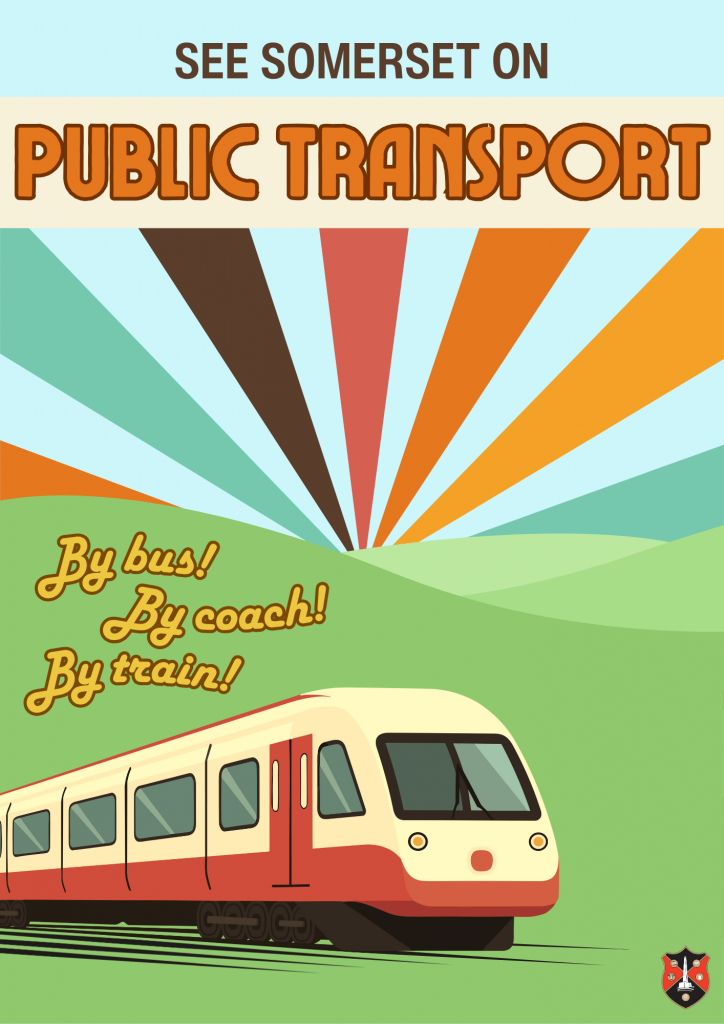
See Somerset on public transport. By bus! By Coach! By Train!
Greener Vehicles

Electric vehicles may be the future but you can still be environmentally friendly with a vehicle that uses fossil fuels. The production of electric vehicles is, quite ironically, harmful to the environment in a significant way and buying a brand new EV in place of a perfectly good, fuel efficient petrol car is not the quick solution to climate change that it is often made out to be.


How to Make Your Existing Car More Eco-Friendly

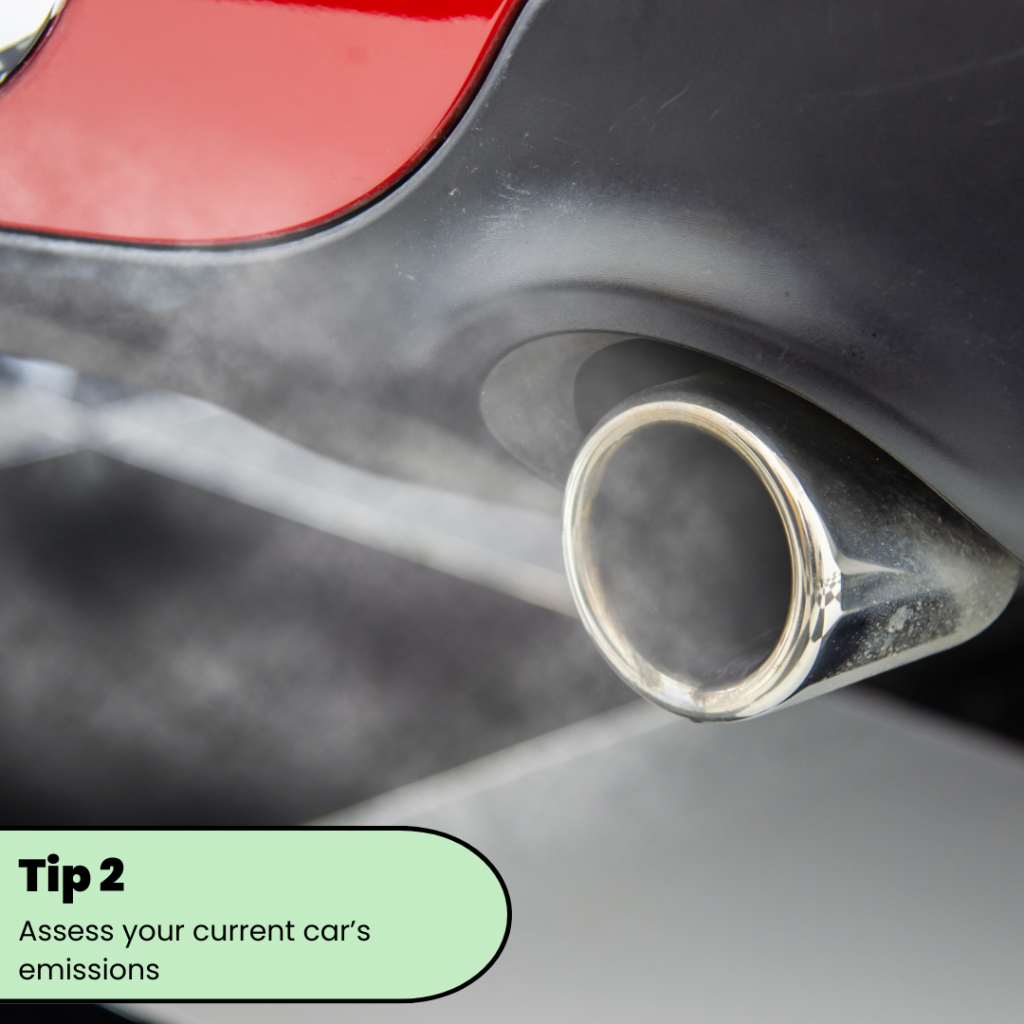
Before you run out and buy a shiny new EV you should assess your current car for it’s environmental impact. You may be shocked to find some petrol cars, even ones over 10 years old, are very low emission. It is always best to use up what you already have instead of going out and buying something completely new as the production of new items has an environmental impact. Driving your economical car for a few more years and making sure it is well-maintained will be easier on the planet and on your wallet.


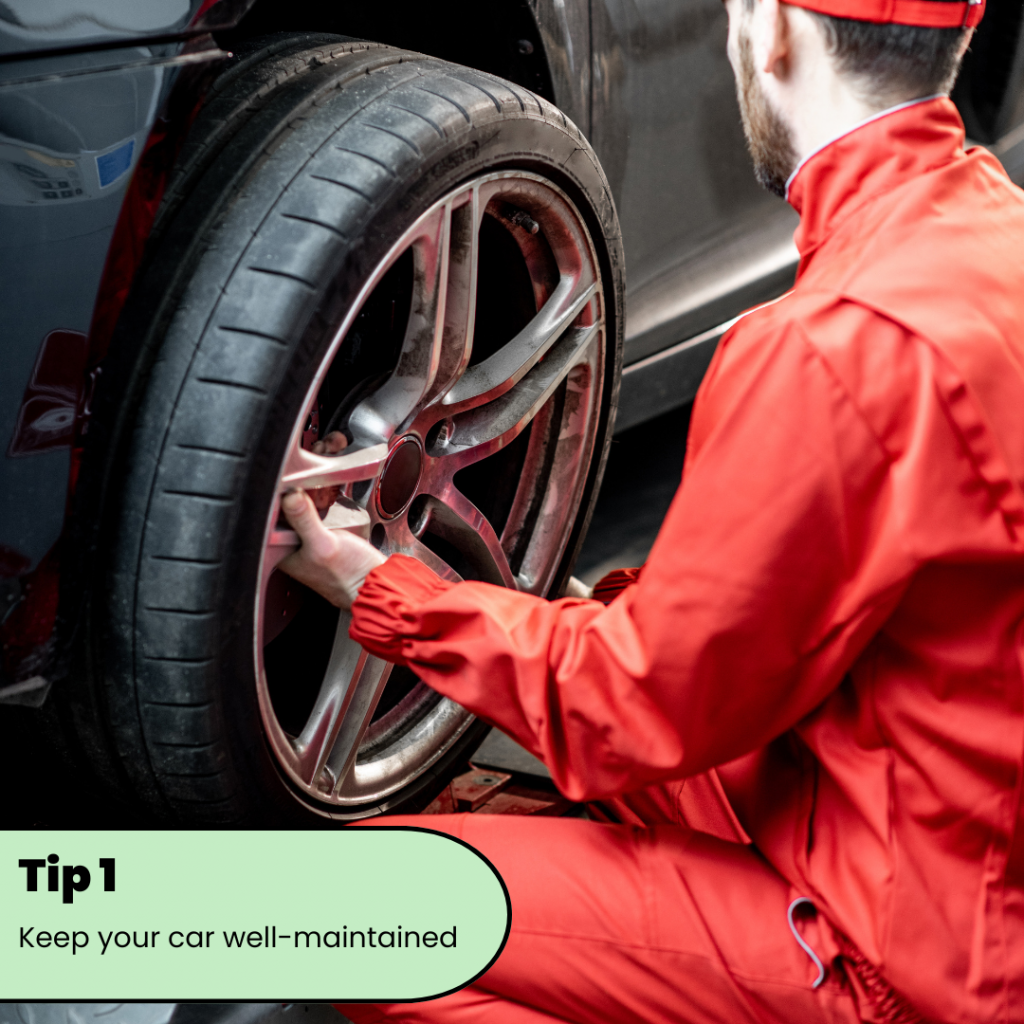
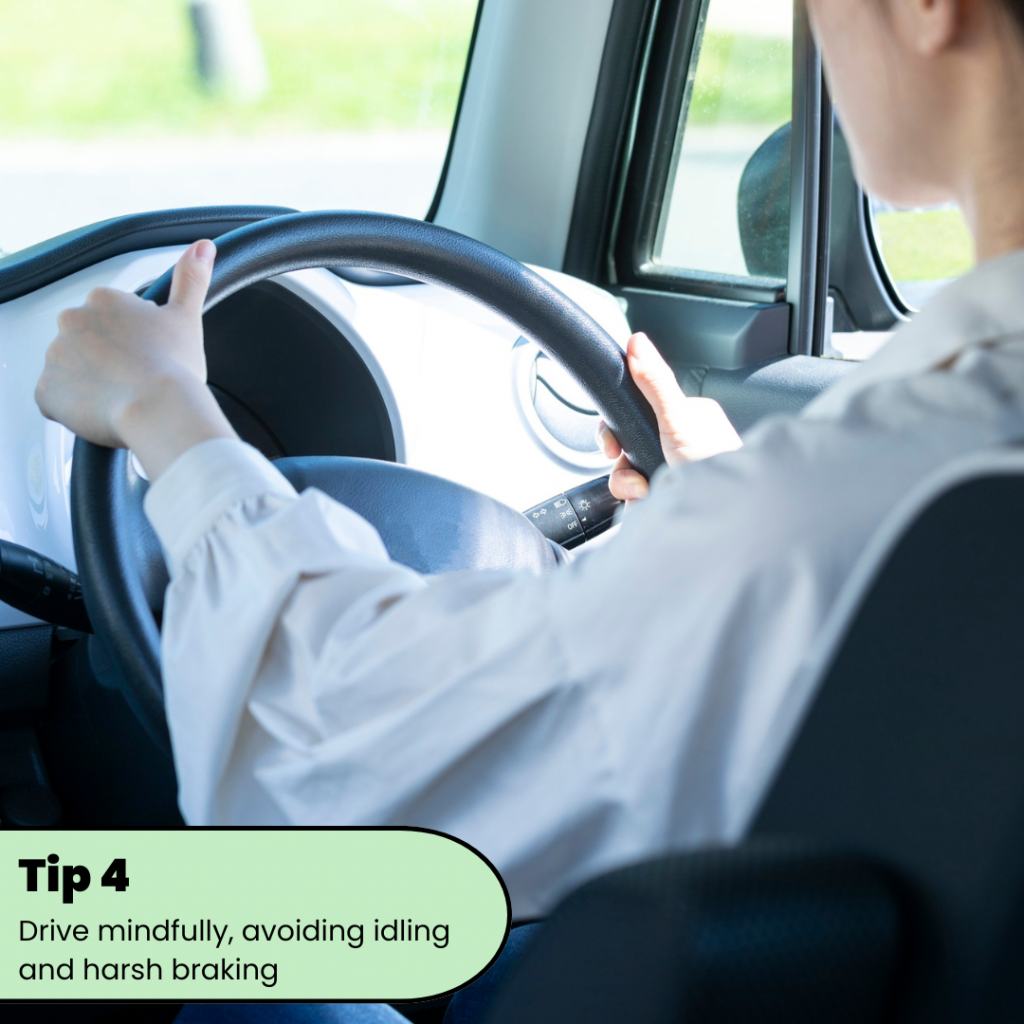
To make your fossil fuel car as eco-friendly as possible, it is important that is is well-maintained. Keep your tyres at the correct pressure and make sure your brakes are kept in good condition as this all contributes to your fuel economy. In the warmer months try to limit your air conditioner use, instead opening the windows to allow airflow. When driving, be mindful of your efficiency by avoiding idling, maintaining a steady speed, and avoiding heavy braking. If someone is going the same way as you on the way to work or an activity, consider car sharing to cut down on unnecessary vehicles on the road.


As well as the above, make sure you are also utilising public transport and active travel where possible! Reducing car journeys is the number one way to cut greenhouse gas emissions with our day-to-day travel.

Tip 1, keep your car well-maintained,.
Tip 2, assess your current car's emissions.
Tip 3, limit air conditioner use - open a window instead.
Tip 4, drive mindfully, avoiding idling and harsh braking.
Tip 5, share the journey!
Electric Vehicles – The Pros and Cons

Electric vehicles have become more widespread in recent years due to improved technology, environmental concern, and rising pump prices. On the surface you would be forgiven for thinking that buying an EV is a fast-track to becoming an environmental hero. After all, EVs have no emissions and these days have fantastic range and can rival traditional cars with all their various bells and whistles. It is predicted that 2030, over 50% of all new car sales will be electric.


With the above in mind, we must consider the implications of what it means for an electric vehicle be built. Making a battery for an electric vehicle produces as much CO2 as a petrol car does driving roughly 50,000 miles. Some of the components for this battery have limited lifespans, leading to damaging and unsustainable mining practices with environmental and humanitarian implications.


In the long run, an electric vehicle is about 50% better for the environment in its lifetime than a vehicle that burns fossil fuels. Neither vehicle will actively help the environment, but one will cause less damage in its lifetime. If you are in the market for a brand-new car and are weighing up the options, electric is definitely the way to go. If you need a new car but find that a good electric vehicle is out of your price range, shop around for a second hand vehicle that has low emissions and good fuel economy.

Pros for electric vehicles: zero emissions, modern comfort, cheap to run
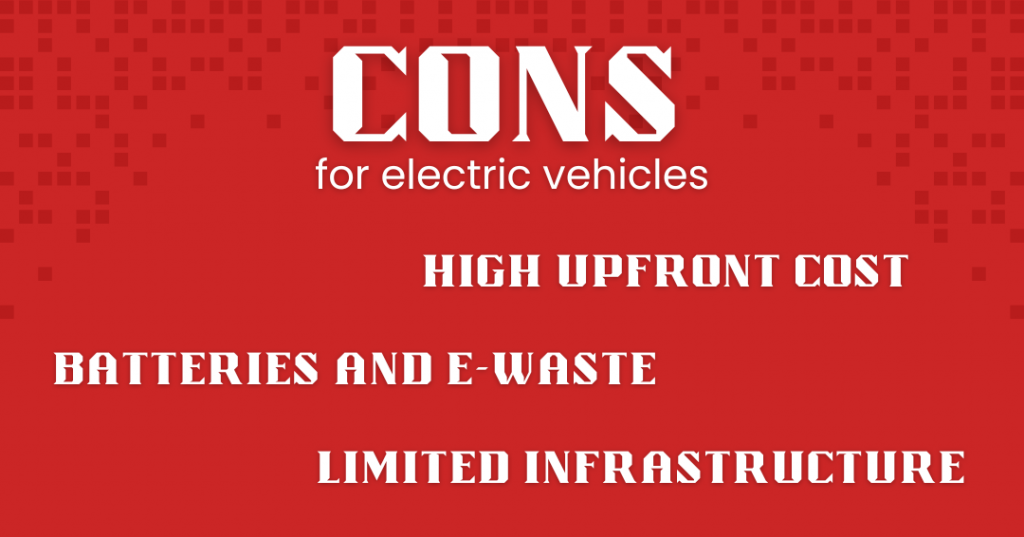
Cons for electric vehicles: high upfront cost, batteries and e-waste, limited infrastructure.
Limit Air Travel

International travel is now a part of modern life, with frequent and affordable air travel the rest of the world is easier to see than ever before. Flying is one of the most carbon-intensive activities we can participate in and as incomes rise more and more people are able to access this mode of transport worldwide and so its impact will continue to grow. Air travel is often the cheapest and most convenient way for people to get to their holiday destination but it is by no means the only option.


If travelling to continental Europe, consider using a ferry or the Eurostar to reach the mainland and then use trains from there. Interrail passes are a fantastic way to travel within Europe and are very cost effective. Travelling through a country by train can be an adventure in itself, allowing you to see its landscape and smaller towns. If you take a train through the alps you get some stunning views!

Skip to content